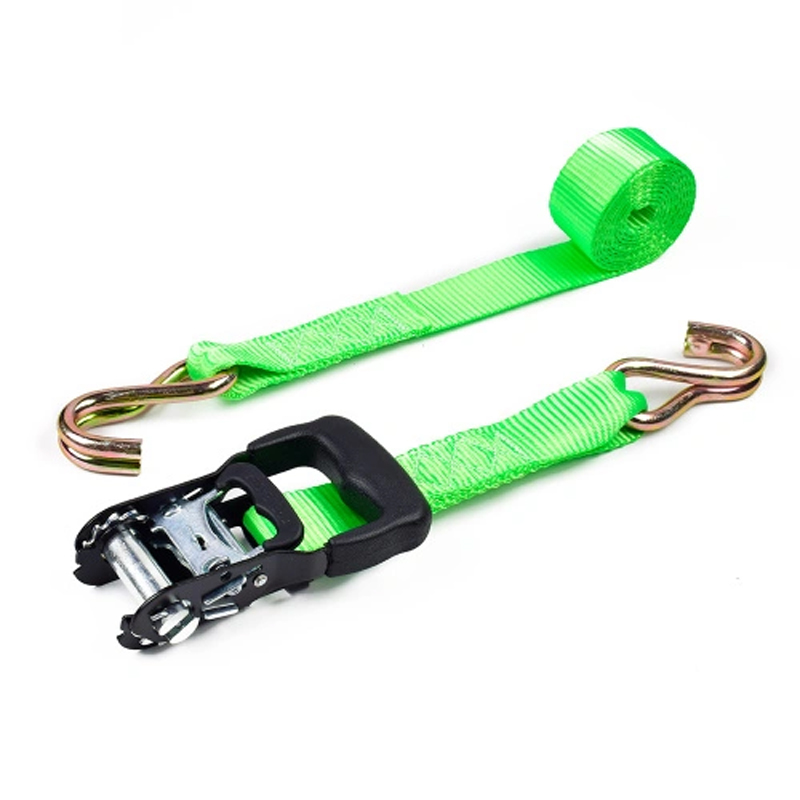
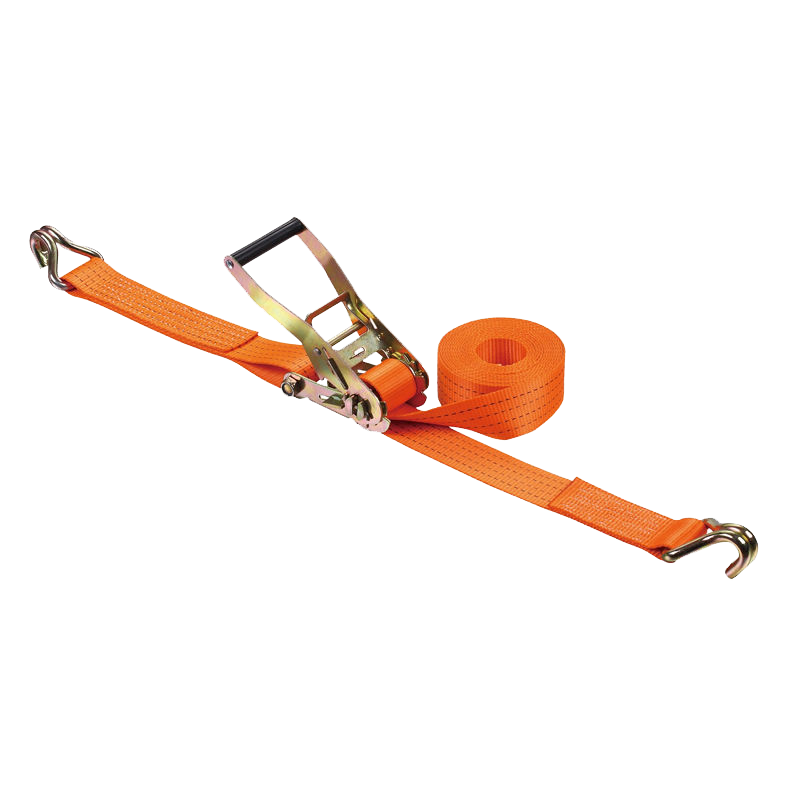
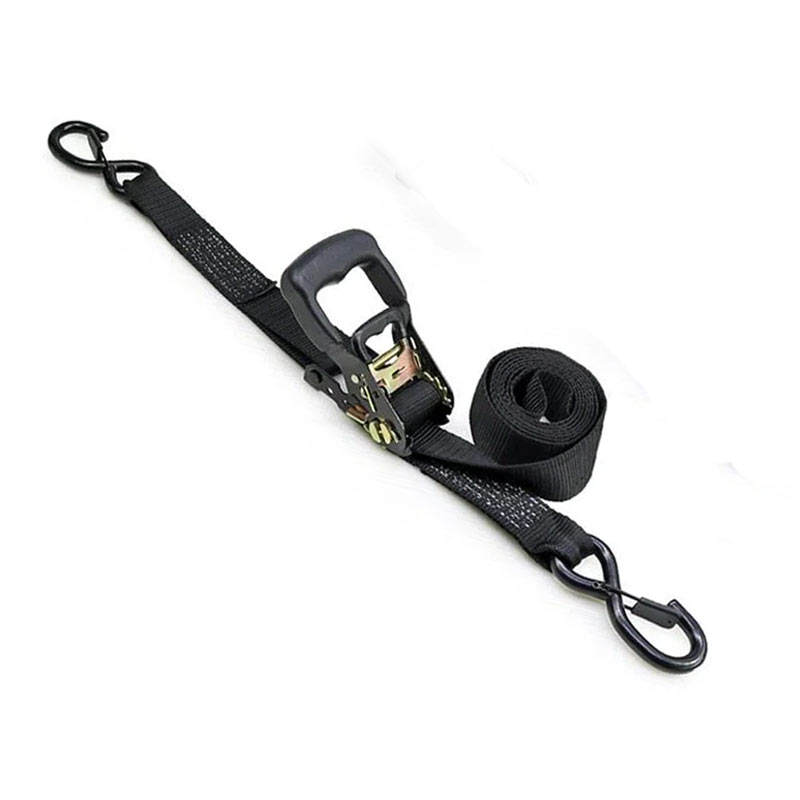
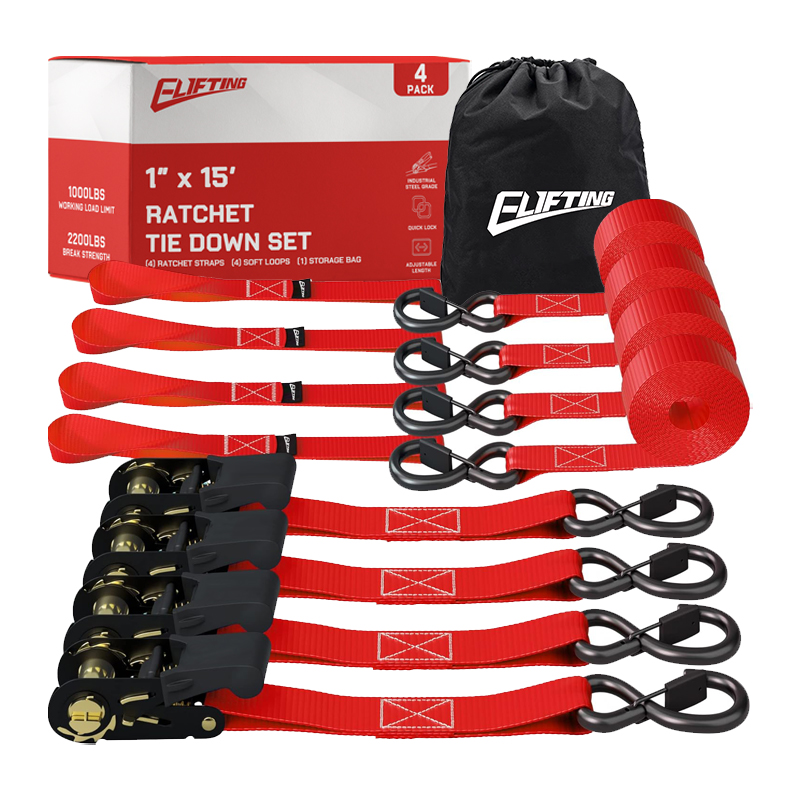
Curele cu clichet retractabile Oferiți o comoditate superioară, dar durabilitate de bază comparabilă - cu compromisuri cheie
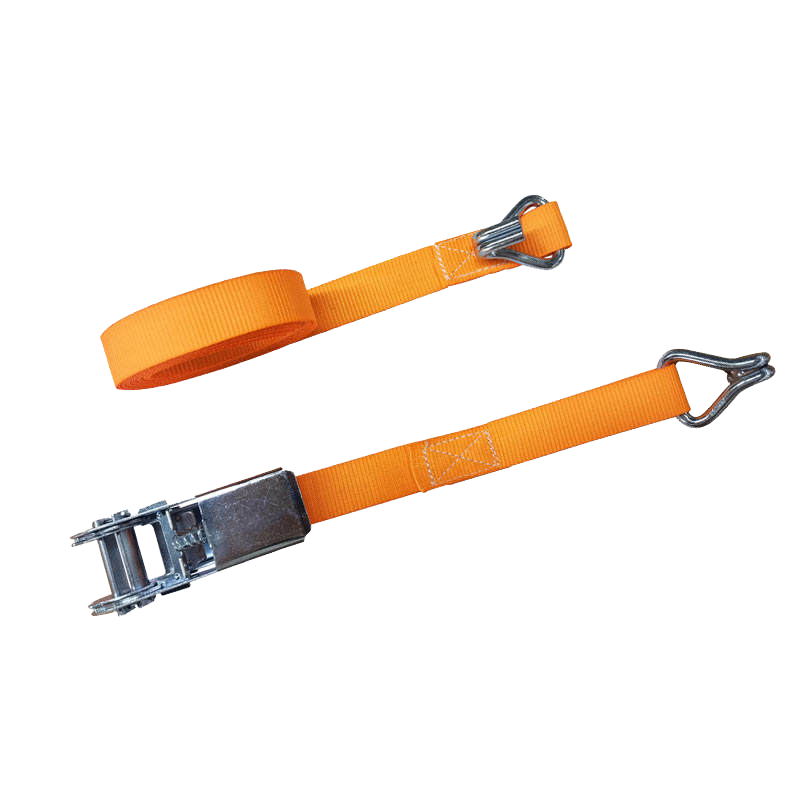
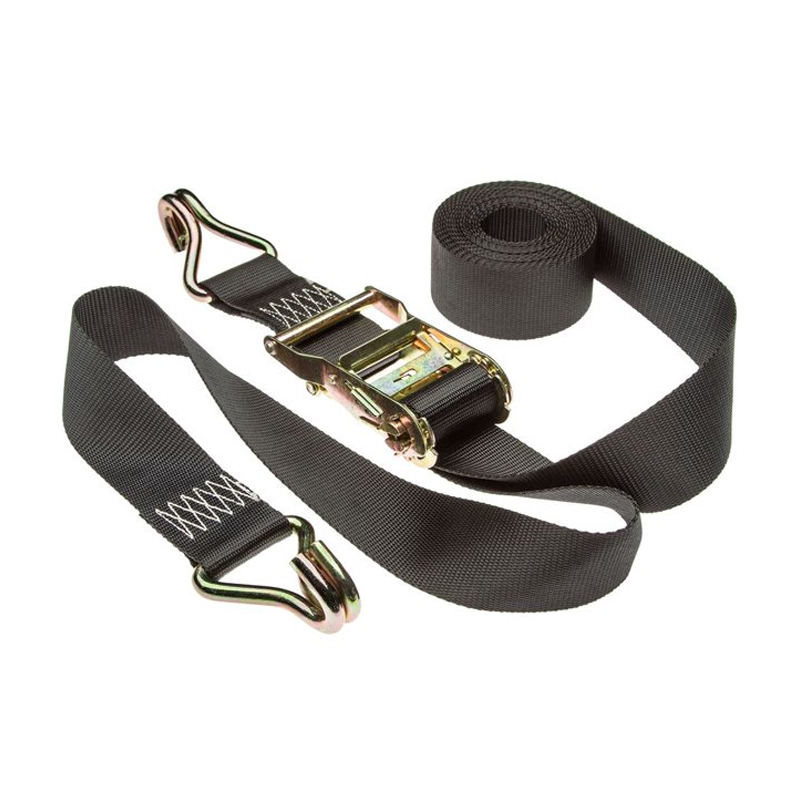
Curelele cu clichet retractabile sunt nu în mod inerent mai durabil decât curelele tradiționale cu clichet în ceea ce asigură asigurarea curelei sau capacitatea de încărcare — ambele tipuri folosesc aceleași materiale de chingă din poliester și pot atinge limite de sarcină de lucru (WLL) identice. Cu toate acestea, curelele cu clichet retractabile oferă un avantaj semnificativ de durabilitate într-o anumită zonă: protecția chingilor . Mecanismul de retragere încorporat mențiune curată adăpostită și protejată de expunerea la UV, abraziune, umiditate și contaminare atunci când nu este utilizată - cauzele principale ale degradarii curelei în timp. Curelele tradiționale, lăsate libere sau depozitate necorespunzător, se degradează mai repede în aceleași condiții. Schimbul este că unitățile retractabile introduc componente mecanice suplimentare care se pot defecta independent de chinga în sine.
Ce face ca o cura cu clichet sa fie durabila: Componentele de baza
Pentru a compara durabilitatea în mod echitabil, este necesar să înțelegem ce se uzează de fapt într-o cura cu clișet și ce componente diferă între modelele retractabile și cele tradiționale.
chingă din poliester
Cureaua este elementul portant al oricărei curele cu clichet. Utilizare curele de calitate poliester de înaltă tenacitate (HTP) chingă, care oferă o rezistență excelentă la tracțiune, întindere minimă sub sarcină (de obicei alungire mai mică de 3% la WLL ), și rezistență bună la majoritatea substanțelor chimice. Lățimile standard ale curelei pentru dispozitivele de ancorare a mărfii sunt de 25 mm (1 inchi), 38 mm (1,5 inchi) și 50 mm (2 inchi), cu rezistențe la rupere variind de la 1.500 kg până la peste 5.000 kg in functie de latime si constructie. Atât curelele retractabile, cât și cele tradiționale folosesc chingi identice - diferența constă în întregime în modul în care este manipulată și depozitată acea chingă.
Mecanism cu clichet
Corpul clichetului - de obicei din oțel placat cu zinc sau acoperit cu pulbere - găzduiește clichetul, axa și pârghia de eliberare. Acest mecanism este identic ca funcție între curelele retractabile și cele tradiționale. Corpurile de clichet de calitate sunt evaluate pentru a se potrivi sau depăși WLL-ul curelei. Punctele de eșec comune includ oboseala de primăvară cu clişete (determinând alunecarea mecanismului sub sarcină) și coroziunea axei și a pârghiei de eliberare în medii dure.
Mecanism cu arc de retragere (numai retractabil)
Componentă suplimentară unică pentru curelele cu clichet retractabil este bobina cu arc care retrage automat excesul de centură într-o carcasă. This primăvară este de obicei evaluată pentru zeci de mii de cicluri de retragere in produse de calitate, dar introduce un punct de defect mecanic absent la curelele traditionale. Oboseala arcului, ingestia de resturi și deteriorarea carcasei sunt principalele moduri de defecțiune specifice modelelor retractabile.
Avantajul durabilității curelelor cu clichet retractabile: protecție cu chingă
Cel mai semnificativ avantaj al durabilității din lumea reală al curelelor cu clichet retractabil este protecție pe care o oferă chingii între utilizări. Banda de poliester se degradează prin patru mecanisme primare - toate acestea fiind reduse substanțiale de carcasa de retragere:
- Degradarea UV: Radiațiile ultraviolete descompun în timp lanțurile de polimeri de poliester. Studiile au căut chingile de poliester neprotejate se pot pierde 20-30% din rezistența la tracțiune după 400–500 de ore de expunere directă la soare. O cura retractabilă depozitată în carcasă elimină această expunere între utilizări.
- Daune prin abraziune: Curelele tradiționale lăsate liber în păturile de camioane, remorci sau cuții de scule sunt târâte pe suprafețe metalice aspre, acumulând tăieturi de suprafață și abraziune care reduc rezistența curelei. Curelele retractabile se retrag curat într-o carcasă protejată după fiecare utilizare.
- Contaminare chimică: Combustibilul, uleiul, acidul bateriei și substanțele chimice rutiere intra în contact cu curelele slăbite din vehiculele care lucrează. Hidrocarburile și acizii puternici degradează chingile din poliester și pot cauza pierderi de rezistență localizate, care sunt invizibile pentru inspecția vizuală. Carcasa de retragere oferă o barieră semnificativă împotriva contactului chimic accidental.
- Umiditate și mucegai: Pânză umedă care rămâne pliată sau încolăcită promovează creșterea mucegaiului și accelerează degradarea hidrolitică a fibrelor de poliester. Bobinele retractabile permit chingii să se usuce sub o tensiune ușoară într-o carcasă ventilată, mai degrabă decât să fie strâns într-o grămadă umedă.
Pentru operatorii care folosesc curele zilnice în medii exterioare sau mixte - construcții, amenajări peisagistice, transporturi cu platformă - această protecție se traduce într-un durata de viață a curelei mult mai lungă comparativ cu curelele depozitate în mod tradițional și folosite în aceleași condiții.
Unde curelele tradiționale cu clichet au marginea durabilității
În ciuda avantajului de protecție a chingilor al modelelor retractabile, curelele tradiționale cu clichet au avantaje semnificative de durabilitate în mai multe scenarii practice.
Fără puncte suplimentare de defecțiune mecanică
O curea cu clișetul tradițional are două componente care se pot defecta: chinga și mecanismul cu clișetul. O curea retractabilă are trei: chinga, mecanismul cu clichet și ansamblul arcului de retragere. În mediile industriale grele în care curelele sunt supuse la solicitări extreme de șocuri, vibrații și cicluri de temperatură, arcul de retragere și carcasa un risc suplimentar de defecțiune. Mulți operatori profesioniști de platformă și transportatorii de echipamente grele preferă în mod special curelele tradiționale din acest motiv - mai puține componente înseamnă mai puține puncte potențiale de defecțiune în condiții solicitante.
Niveluri de sarcină disponibile mai mari
Cele mai grele curele cu clichet — cu evaluări WLL de 5.000 kg (11.000 lbs) și peste — sunt disponibile aproape exclusiv în modele tradiționale (neretractabile). Mecanismul de retragere adaugă greutate, volum și complexitate inginerească, ceea ce face impracticabile curelele retractabile de foarte mare capacitate. Dacă aplicația dvs. necesită curele evaluate mai sus 2.500–3.000 kg WLL , curelele tradiționale sunt probabil singura ta opțiune conformă.
Reparații și inspecții mai simple pe teren
Curelele tradiționale cu clichet pot fi inspectate complet de-a lungul întregii lor lungimi a curelei în câteva secunde. Deteriorarea oricărei secțiuni este imediat vizibilă. Curelele retractabile necesită ca chinga să fie complet extinsă pentru a-i inspecta lungimea completă - un pas care este ușor de trecut cu vederea. În plus, dacă carcasa de retragere este deteriorată sau arcul se defectează, unitate trebuie de înlocuită; repararea componentelor individuale este rareori practică în domeniu.
Comparație între durabilitate și performanță
| Factorul | Curea cu clichet retractabil | Curea tradițională cu clișet |
| Material de chingă | Poliester de înaltă tenacitate (identic) | Poliester de înaltă tenacitate (identic) |
| Protecție UV atunci când este depozitată | Excelent - găzduit de chingi | Slab dacă nu este depozitat în pungă/cutie |
| Protecție la abraziune | Bun - retras atunci când nu este utilizat | Depinde de disciplina de depozitare |
| WLL maxim disponibil | De obicei, până la ~2.500–3.000 kg | Până la 5.000 kg (utilitate grea) |
| Numărul de puncte de eșec | Trei (pânză, clișet, arc) | Două (pânză, clișet) |
| Ușurința inspecției complete a curelei | Necesită extensie completă pentru inspectare | Imediat complet vizibil |
| Ușurință de utilizare / Viteză | Mai rapid — retrage automat excesul de curele | Necesită gestionarea manuală a chingilor |
| Preț obișnuit Premium | 20–50% mai mare decât echivalentul tradițional | Cost de bază mai mic |
| Cel mai bun pentru | Utilizare frecventă, depozitare în aer liber, încărcături ușoare-medii | Sarcini grele, uz industrial, depozitare controlată |
Comparație de durabilitate și performanță între curelele cu clichet retractabile și cele tradiționale în funcție de criteriile cheie
Factori care reduc durata de viață a oricărei curele cu clichet
Indiferent dacă folosiți curele cu clichet retractabile sau tradiționale, următorii factori accelerează degradarea și trebuie gestionați pentru a maximiza durata de viață.
- Supraîncărcare dincolo de WLL: Utilizarea unei curele dincolo de limita de sarcină de lucru provoacă daune microscopice ale fibrei care sunt invizibile, dar permanent - fiecare eveniment de suprasarcină reduce marja de siguranță a curelei și accelerează defecțiunea în utilizările ulterioare.
- Margini ascuțite fără protecție: Se poate pierde chinga peste o margine metalică ascuțită neprotejată 50% sau mai mult din puterea sa la punctul de contact pentru tăierii localizate a fibre — folosiți întotdeauna dispozitive de protecție pentru margini
- Înnodarea chingii: Un nod în chingă de poliester reduce rezistența la rupere cu aproximativ 40–50% în punctul nodului — nu legați niciodată noduri în cureaua cu clichet
- Răsucire sub sarcină: Cureaua răsucită concentrează stresul neuniform pe lățimea curelei, reducând rezistența efectivă și accelerând uzura secțiunilor răsucite.
- Angajarea ne cauza a cârligului: Cârligele trebuie să fie complet cuplate cu punctul de ancorare — un cârlig cuplat doar la vârf (încărcat punctual) poate eșua la o fracțiune din sarcina sa nominală și poate deteriora permanent geometria cârligului
- Depozitarea umedă: Depozitarea prelungită a chingii umede promovează degradarea hidrolitică și creșterea mucegaiului care slăbește fibrele din interior - lăsați întotdeauna chinga să se usuce complet înainte de depozitare.
Când să alegeți sau curea cu clișetul retractabil față de o tradițională
Alegerea dintre curelele cu clichet retractabile și tradiționale ar trebui să fie determinată de cazul dvs. de utilizare specifică, mai degrabă decât declarația de durabilitate generală. Curelele cu clichet retractabile sunt alegerea mai bună atunci când:
- Se folosesc curele zilnic sau de mai multe ori pe zi iar disciplina de depozitare nu poate fi garantată - retragerea automată asigură că chinga este sigură, fără a necesita obiceiuri de depozitare deliberate.
- Echipamentul este depozitat în aer liber sau în remorci deschise unde Expunerea la UV și la intemperii între utilizări este inevitabil
- Viteza aplicării contează — caracteristica de retragere automată elimină timpul petrecut gestionând excesul de curele, făcând curele retractabile 20–40% mai rapid de implementat și depozitat decât curelele tradiționale folosite în mod obișnuit
- Cerințele de încărcare se încadrează în 2.500 kg WLL sau mai mic — gama de capacitate bine deservită de model retractabil
- Aplicația implicată marfă ușoară spre medie cum ar fi motociclete, ATV-uri, echipamente pentru gazon sau marfă generală, unde ușurința de utilizare este la fel de importantă ca și capacitatea maximă de încărcare.
Curelele tradiționale cu clichet rămân alegerea preferată pentru marfă grea, camioane cu platformă și asigurarea echipamentelor industriale unde sarcinile maxime, inspecția simplificată și reparabilitatea pe terenul față de confort.
Cum să prelungești durata de viață a curelelor tale cu clichet retractabile
Cu îngrijirea corectă, o cura cu clichet retractabilă de calitate ar trebui să ofere 5-10 ani de servicii de încredere în utilizare reglementată. Aceste practici maximizează această durată de viață:
- Retrageți complet după fiecare utilizare — nu lăsați chinga parțial extinsă, deoarece aceasta expune chinga la UV și împiedică arcul să revină la tensiunea sa naturală de repaus.
- Verificați lungimea lunară a chingii — extindeți cureaua completă și verificați pentru tăieturi, abraziune, decolorare, deteriorare chimică și orice reducere a grosimii curelei pe toată lungimea
- Lubrifiați mecanismul cu clichet anual — aplicați un ulei ușor de mașină sau pulverizare uscată de PTFE pe ax, arcul clihetului și pivotul pârghiei de eliberare pentru a preveni coroziunea și a menține funcționarea lină.
- Păstrați carcasa de retragere liberă de resturi — nisipul, nisipul și fragmentele de metal care intra în carcasă accelerează uzura atât pe suprafața curelei, cât și pe arcul de retragere; suflați periodic carcasa cu aer comprimat
- Nu forțați niciodată retragerea împotriva unei curele prinse — dacă chinga nu se retrage ușor, opriți și identificați obstrucția înainte de a continua; forțarea arcului împotriva unei curele blocate cauzează oboseala imediată a arcului sau deteriorarea carcasei
- A se păstra departe de sursele direct de căldură — oțel arcului de retragere pierde cumpătul la temperaturi ridicate; nu depozitați curele retractabile împotriva sistemelor de evacuare, a compartimentelor pentru motor sau în spații închise care depășesc 60°C (140°F)
Întrebări frecvente despre curelele cu clichet retractabile
Care este limita maximă de sarcină de lucru disponibilă pentru curelele cu clichet retractabile?
Cele mai multe curele cu clichet retractabile disponibile în comerț sunt evaluate pentru limitate sarcini de lucru ale 500 kg până la 2.500 kg (aproximativ 1.100–5.500 lbs) . Un număr mic de modele retractabile rezistente ajung 3.000 kg WLL , dar peste acest prag mecanismul de retragere devine nepractic voluminos și costisitor. Dacă aplicația dvs. necesită asigurarea sarcinilor mai mari de 2.500 kg per curea, curelele tradiționale cu clichet în lățimi de 50 mm sau 75 mm - disponibil cu cote WLL de 5.000 kg și peste — sunt alegerea potrivită. Înainte de utilizare, verificați întotdeauna dacă WLL-ul curelei atinge sau depășește sarcina calculată pentru punct de curele.
Cum îmi pot da seama dacă o cureează cu clichetul retractabil trebuie scoasă din funcțiune?
Retrageți imediat o cura cu clichet retractabil dacă există oricare dintre următoarele: tăieturi vizibile, rupturi sau găuri în chingă; abraziunea suprafeței care s-a uzat prin stratul exterior de fibre expunând țesătura interioară; decolorare, rigiditate sau fragilitate care indică degradarea UV sau chimică; cârlige care sunt îndoite, crăpate sau arată mai mult decât 10% se deforma din forma lor originală; un mecanism cu clichet care alunecă, sare dinții sau nu se blochează pozitiv sub presiunea mâinilor; sau un arc de retragere care nu reușește să retragă complet chinga sub propria sa tensiune. Nu încercați să reparați chingile deteriorate - înlocuirea este singura acțiune sigură. Majoritatea standardelor de siguranță, inclusiv EN 12195-2 și reglementările US DOT, impun ca curele să fie scoase din funcțiune atunci când se identifică sau astfel se deteriorează.
Poate fi înlocuit arcul de retragere dacă se defectează?
Pe majoritatea curelelor cu clichet retractabile pentru consumatori și de gamă medie, carcasa de retragere este un ansamblu sigilat sau nituit care nu este proiectat pentru reparații pe teren. Înlocuirea arcului este nu este practic sau recomandat pentru majoritatea utilizatorilor — toleranțele tehnice și pretensionarea arcului necesar pentru reasamblarea corectă sunt dificil de realizat fără unelte și cunoștințe de specialitate. Unele curele retractabile de calitate comercială premium a furnizorilor industriali și oferă arcuri de înlocuire a carcasei de întreținere, dar acestea o mică minoritate a pieței. În cele mai multe cazuri, o cura retractabilă cu un arc defect ar trebui înlocuită ca unitate completă. Benzile și feroneria cu clichet de la o unitate retractabilă eșuată pot fi uneori reutilizate dacă trec inspecția completă.
Curelele cu clichet retractabile sunt conforme cu DOT pentru utilizarea în transportul comercial?
Da — curelele cu clichet retractabil pot fi conform cu DOT pentru asigurarea încărcăturii comerciale, cu condiția să îndeplinească cerințele. 49 CFR Part 393 (Regulile federale de siguranță pentru transportatorii de autovehicule), inclusiv etichetarea corectă a WLL, WLL agregat suficient pentru încărcătură și starea în cauză. Mecanismul de retragere în sine nu afectează conformitatea - ceea ce contează este WLL-ul nominal al curelei, numărul de curele folosite și metoda de fixare. Cu toate acestea, inspectorii caută etichete WLL libere, care se pot estompa pot fi ascunse pe unități retractabile - asigură că etichetele rămân foarte sigure libere în orice moment. Unii transportatori specifice curele tradiționale pentru transporturi grele de marfă a disponibilității maxime mai mari ale WLL și protocoalelor de inspecție mai simple.
Curelele cu clichet retractabile funcționează pe vreme rece?
Curelele cu clichet retractabil funcționează în general adecvat pe vremea rece până la aproximativ -20°C (-4°F) , care acoperă majoritatea mediilor de lucru. Sub acest prag, oțelul arcului de retragere poate deveni casant, iar chinga se poate rigidiza ușor, reducând netezimea retragerii. Dacă umezeala a intrat în carcasă și îngheță, mecanismul de retragere se poate bloca complet. În medii de operare constant reci, căutați curele retractabile pentru utilizarea temperaturii scăzute și asigurați-vă că orificiile de scurgere ale carcasei (dacă există) sunt menținute libere. Curelele tradiționale au un ușor avantaj la frig extrem, deoarece nu au mecanism de arc care să fie afectat de temperatură - deși chinga și hardware-ul clichetului sunt în egală măsură măsură supusă rigidității la vremea rece în ambele modele.
De câte ori poate fi folosită o curea cu clichet retractabil înainte de a fi înlocuită?
Nu există un standard universal de înlocuire a numărului de cicluri pentru curelele cu clichet - înlocuirea se bazează mai degrabă pe inspecția stării decât pe un număr fix de utilizare. Cu toate acestea, ca un ghid practic, utilizatorii profesioniști din aplicații de înaltă frecvență (utilizare zilnică în transport sau construcție) înlocuiesc obiceiurile curelele retractabile la fiecare 2–3 ani ca măsură de precauție, indiferent de starea vizuală, în timp ce utilizatorii ocazionali (transportarea recreativă în weekend) pot folosi curele de calitate pentru 7–10 ani cu depozitare și îngrijire în cauză. Arcul de retragere în unități de calitate este de obicei evaluat pentru 50.000 de cicluri de retragere — mult mai mult decât vor acumula mulți utilizatori. Centura și mecanismul de clichet, mai degrabă decât arcul, sunt componentele care limitează viața cel mai probabil în curelele retractabile bine întreținute, folosesc în limitele capacităților lor nominale.