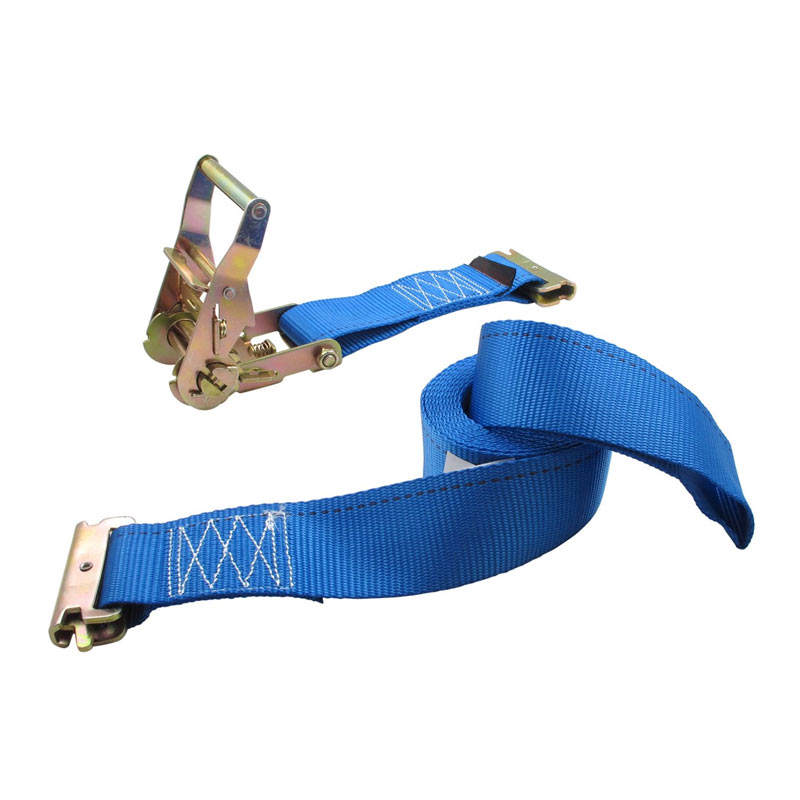
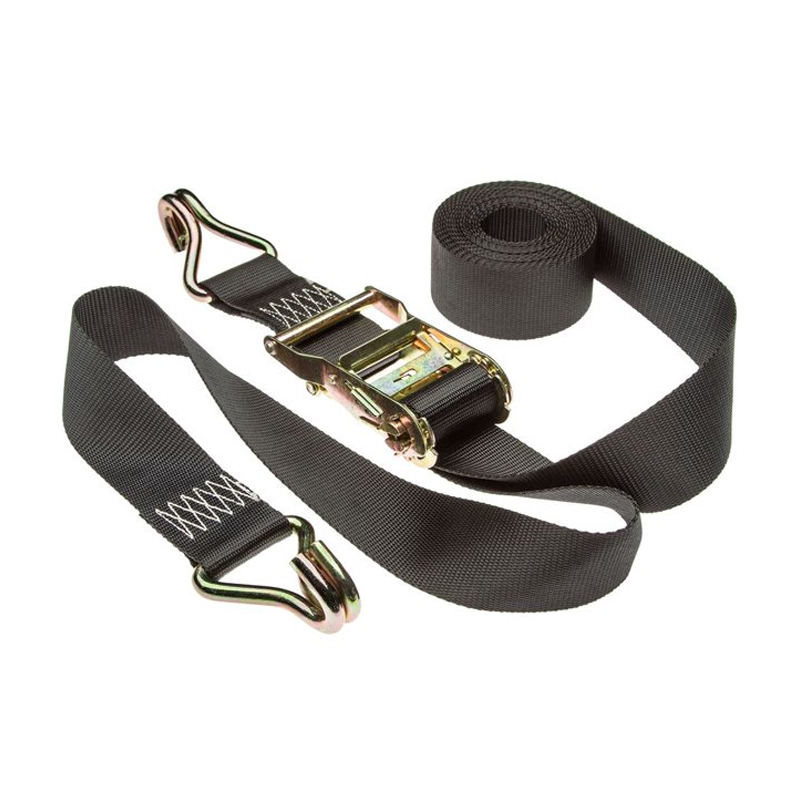
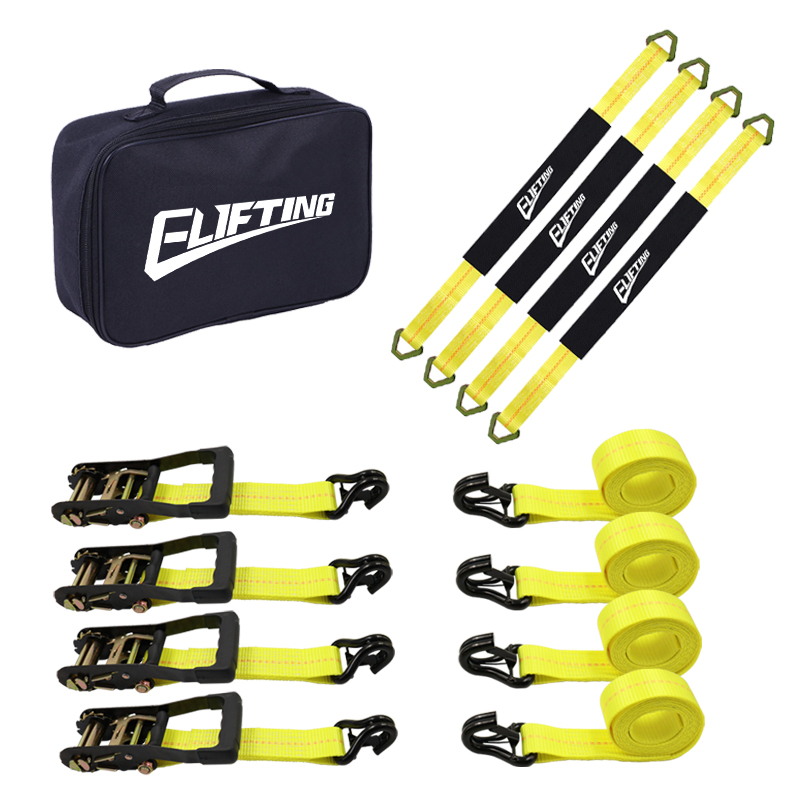
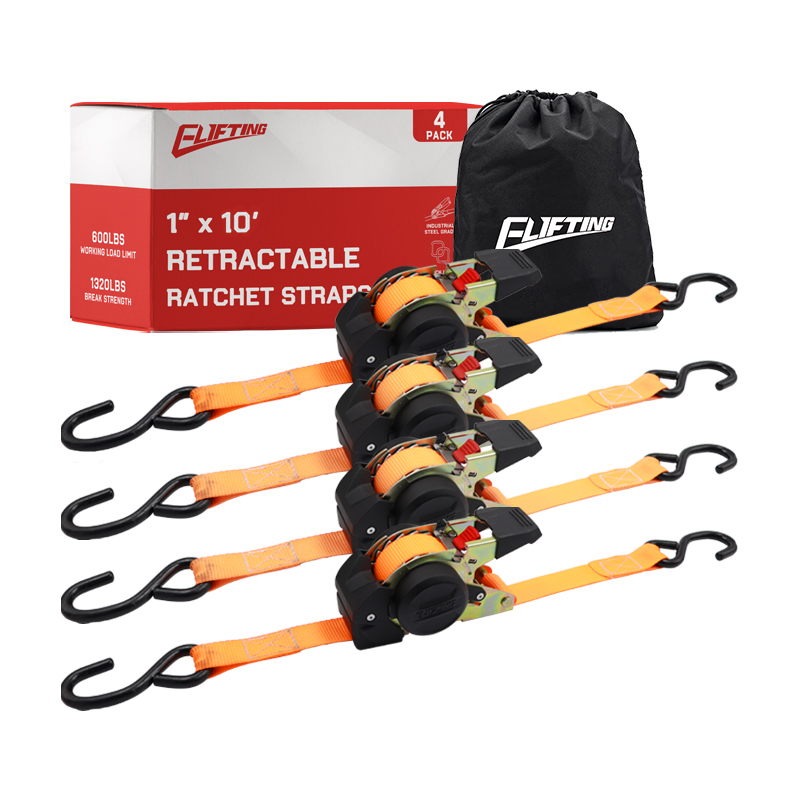
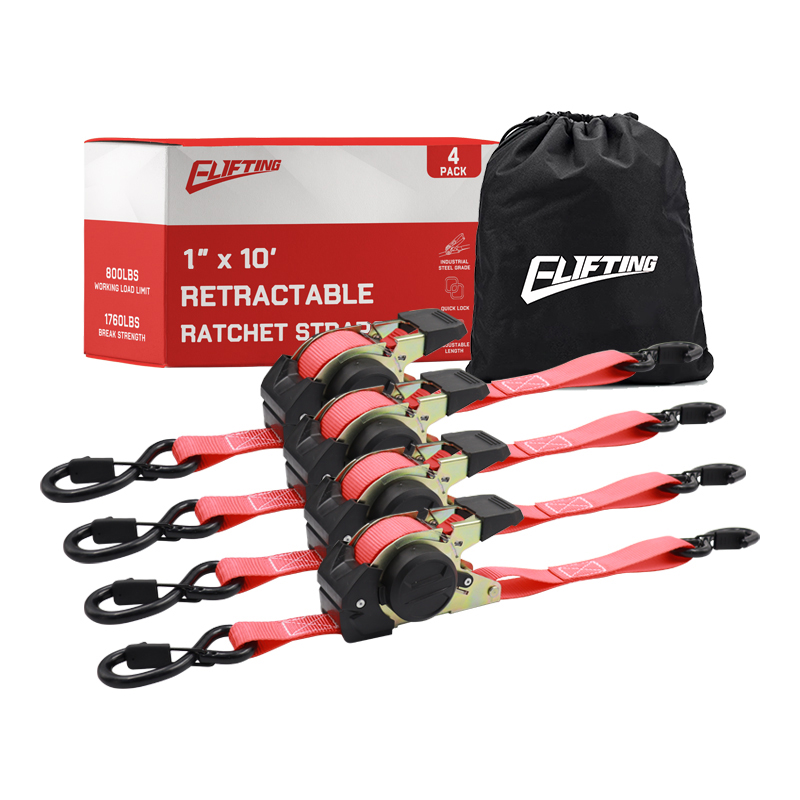
Un angajat corespunzător curea cu clichet retractabil nu se slăbește singur, deoarece clichetul blochează bobina independent de arcul de retragere. Funcția de înfășurare automată controlează doar modul în care chinga slăbită este trasă înapoi în carcasă atunci când pârghia de eliberare este apăsată, nu are nicio legătură cu angrenajul de blocare dintat care menține de fapt tensiunea pe încărcătură. Slăbirea are aproape întotdeauna o cauză diferită, cum ar fi un clichet insuficient strâns, un dinte de clichet uzat sau o chingă care nu a trecut niciodată printr-un ciclu complet de clichet înainte ca cureaua să fie lăsată nesupravegheată.
Acest articol prezintă de ce a curea cu clichet retractabil menține tensiunea în același mod în care o legătură cu clichet standard, unde arcul de retragere se află de fapt în mecanism și ceea ce face în mod specific slăbirea unei curele, astfel încât să puteți exclude acele cauze înainte de a presupune că designul retractabil în sine este punctul slab.
Cum mecanismul de blocare ține de fapt cureaua
O curea cu clichet retractabilă are două sisteme separate care funcționează în aceeași carcasă, iar confuzia este principalul motiv pentru care oamenii se tem că cureaua se va slăbi.
Sistemul cu clichet și clătitură
Aceasta este partea portantă. O bobină cu angrenaj se află în interiorul mânerului cu clichet, iar un clichet cu arc cade între dinții angrenajului de fiecare dată când mânerul este închis. Clichetul rotește angrenajul într-o singură direcție, astfel încât odată ce mânerul se oprește, chinga din partea de sarcină este blocată mecanic de la desfășurare. Acesta este exact același principiu folosit într-o curea standard cu clichet neretractabilă.
Sistemul Rewind Spring
Aceasta este caracteristica de confort. Un arc elicoidal separat se află în spatele capătului liber al curelei, în interiorul carcasei de pe partea opusă a angrenajului cu clichet. Când apăsați pârghia de eliberare, arcul trage porțiunea liberă, descărcată a curelei înapoi în carcasă, astfel încât să nu se încurce pe sol sau să nu se încurce în zona de încărcare. Acest arc nu are nicio legătură fizică cu angrenajul cu clichet sau cu clichetul, așa că nu poate trage de o sarcină care este deja blocată.
Comparând cele două mecanisme din interiorul unei curele cu clichet retractabil | Componentă | Funcția | Menține tensiunea încărcăturii |
| Unelte cu clichet și clichet | Blocează chinga încărcată într-o direcție | Da |
| Rebobinați arc elicoidal | Retrage curelele slăbite descărcate în carcasă | Nu |
| Eliberați pârghia | Decuplați clichetul pentru a permite îndepărtarea curelei | Nu, but must stay untouched during transport |
Ceea ce face de fapt o curea cu clichet să se slăbească în tranzit
Deoarece angrenajul de blocare este separat mecanic de arcul de rebobinare, o chingă de slăbire indică una dintre următoarele cauze, mai degrabă decât un defect al designului retractabil în sine.
- Mânerul clichetului nu a fost complet închis și blocat după tracțiunea finală de strângere, lăsând clichetul doar parțial cuplat cu dinții angrenajului.
- Cureaua a fost înfășurată în jurul bobinei în mai puțin de trei spire complete, ceea ce reduce frecarea care ajută cureaua să reziste la fluierea treptată sub vibrații.
- Încărcătura s-a așezat sau s-a comprimat după încărcare, ceea ce este obișnuit în cazul încărcăturilor moi, cum ar fi saltele, baloți de fân sau mobilier împachetat, și acest lucru creează o slăbiciune care se simte ca și cum cureaua s-a slăbit, chiar dacă mecanismul nu s-a eliberat niciodată.
- Arcul cu clichet în sine este uzat sau corodat din cauza vechimii, ceea ce este o problemă de întreținere mai degrabă decât o problemă de design și se aplică în mod egal curelelor cu clichet retractabile și standard.
- Pârghia de eliberare s-a periat de încărcătură sau de altă curea în timpul transportului și a fost parțial ridicată, ceea ce se poate întâmpla la curelele montate în spații înguste fără protecție a pârghiei.
Lista rapidă de verificare a câmpului înainte de a părăsi punctul de încărcare
Trecerea prin această scurtă listă de verificare durează mai puțin de un minut și elimină aproape toate cauzele unei slăbiri neașteptate a curelei.
- Confirmați că mânerul clichetului este închis plat pe carcasă, nu lăsat pe jumătate deschis.
- Verificați dacă cel puțin trei învelișuri de chingă stau pe bobină înainte ca mânerul să fie închis.
- Dați chinga încărcată o remorcare fermă cu mâna pentru a confirma că nu există nicio cedare.
- Poziționați pârghia de eliberare departe de marginea încărcăturii astfel încât nimic să nu o poată atinge în timpul transportului.
- Verificați din nou tensiunea după primii câțiva mile sau prima oră, deoarece sarcinile moi sau compresibile necesită adesea o a doua trecere de strângere.
Caracteristici de design care îmbunătățesc fiabilitatea exploatării
Nu fiecare curea cu clichet retractabil de pe piață este construit la aceeași toleranță, iar câteva detalii de construcție fac o diferență măsurabilă în ceea ce privește cât de fiabil rămâne angrenat clichetul.
Adâncimea dintelui și materialul angrenajului
Un dinte de clichet mai adânc, pătrat, se așează mai ferm în angrenaj și rezistă la alunecarea sub vibrațiile drumului mai bine decât un profil de dinte superficial sau rotunjit. Curelele construite cu roți dințate din oțel călit rezistă, de asemenea, la uzura dinților, care în cele din urmă lasă un clichet să sară în cazul utilizării grele repetate.
Viteza de retragere controlată
Unele modele mai noi de curele retractabile cu clichet, inclusiv modelele îmbunătățite produse de ELIFTING sub Ningbo Easy Lifting Auto Accessories Co., Ltd, adaugă o rebobinare amortizată sau măsurată care încetinește revenirea arcului în loc să lase chinga să se întoarcă înapoi la viteză maximă. Acest lucru nu schimbă modul în care se blochează partea de încărcare, dar reduce mișcarea de întoarcere care poate tresări un operator sau poate prinde îmbrăcămintea slăbită în timpul eliberării, ceea ce reprezintă o îmbunătățire reală a siguranței, separată de problema menținerii tensiunii.
Țesătură și lățime a curelei
O chingă din poliester împletită strâns rezistă la întinderea sub sarcină mai bine decât o curea țesută lejer, iar mai puțină întindere în timp înseamnă o slăbire mai puțin aparentă, chiar și atunci când mecanismul cu clichet în sine nu a alunecat deloc.
Curele cu clichet retractabile versus curelele cu clichet standard pentru menținerea puterii
Deoarece dispozitivul de blocare și clichetul sunt identice în ambele modele, o curea cu clichet retractabilă ține încărcătura cu aceeași limită de sarcină de lucru și rezistență la rupere ca o curea standard de aceeași lățime și dimensiune a angrenajului. Caracteristica de retragere schimbă confortul de manipulare, nu fizica modului în care este menținută tensiunea.
Diferențe practice între curelele cu clichet retractabile și cele standard | Factorul | Curea cu clichet retractabil | Curea cu clichet standard |
| Mecanism de blocare | Același design de clichet și angrenaj | Același design de clichet și angrenaj |
| Cenile slăbite după strângere | Tras automat în carcasă | Trebuie să fie încolăcit sau legat manual |
| Risc de târare a cozilor curelei | Scăzut, deoarece slăbirea se retrage la eliberare | Mai mare dacă nu este asigurată manual |
| Complexitatea locuinței | Puțin mai mare datorită compartimentului cu arc | Carcasă mai simplă, mai mică |
Întrebări frecvente despre siguranța curelei cu clichet retractabil
Arcul de derulare poate trage accidental clichetul în timpul transportului?
Nu, arcul de derulare acționează doar asupra capătului liber, descărcat al curelei și nu are nicio legătură mecanică cu angrenajul cu clichet care ține partea încărcată, astfel încât nu poate trage tensiunea dintr-o curea blocată.
De ce cureaua mea retractabilă cu clichet se simte slăbită după un drum lung?
Aceasta este de obicei așezarea încărcăturii sau întinderea curelei, mai degrabă decât alunecarea clichetului și este obișnuit în cazul sarcinilor compresibile, așa că o verificare rapidă a tensiunii după prima întindere de conducere este o parte normală a utilizării oricărei curele cu clichet.
Câte învelișuri de chingă ar trebui să stea pe bobină înainte de a închide mânerul
Majoritatea producătorilor, inclusiv ELIFTING, recomandă cel puțin trei înfășurări complete în jurul bobinei, deoarece mai puține înfășurări reduc frecarea care ajută la rezistența la fluaj lent sub vibrații.
Apăsând parțial maneta de eliberare, cureaua se slăbește
Da, ridicarea parțială a pârghiei de eliberare poate decupla suficient de mult clichetul pentru a lăsa treapta de viteză să se învârtească liber, astfel încât pârghia ar trebui să fie poziționată acolo unde nimic din zona de încărcare nu poate lovi de ea în timpul tranzitului.
Este o curea cu clichet retractabilă mai puțin puternică decât una standard
Nu, limita de sarcină de lucru și rezistența la rupere depind de lățimea curelei, țesătura și dimensiunea angrenajului, nu de dacă cureaua include un arc de rebobinare, astfel încât un model retractabil și un model standard de dimensiune potrivită păstrează aceeași sarcină nominală.