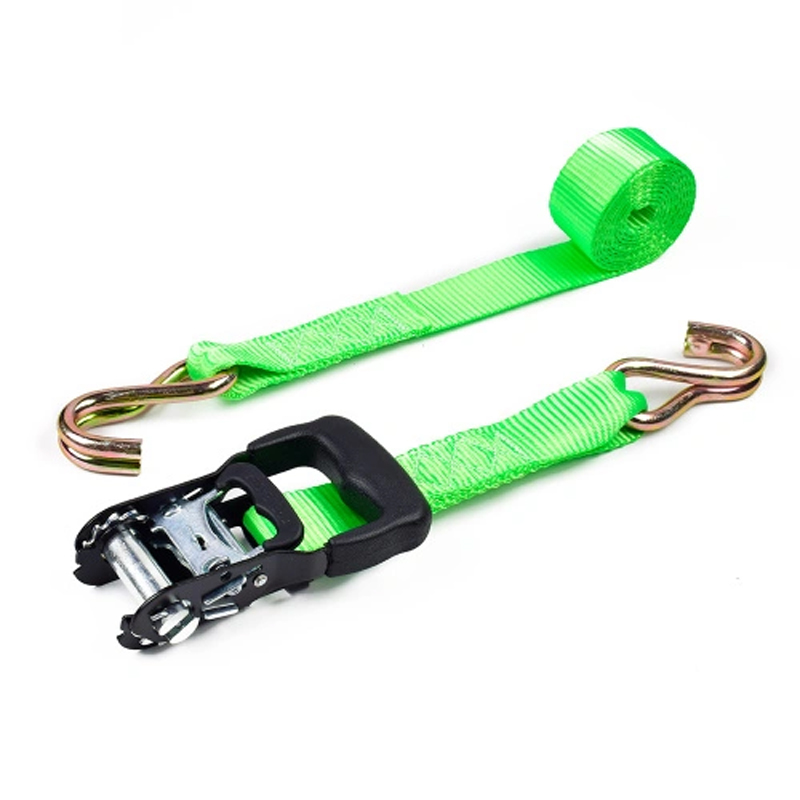
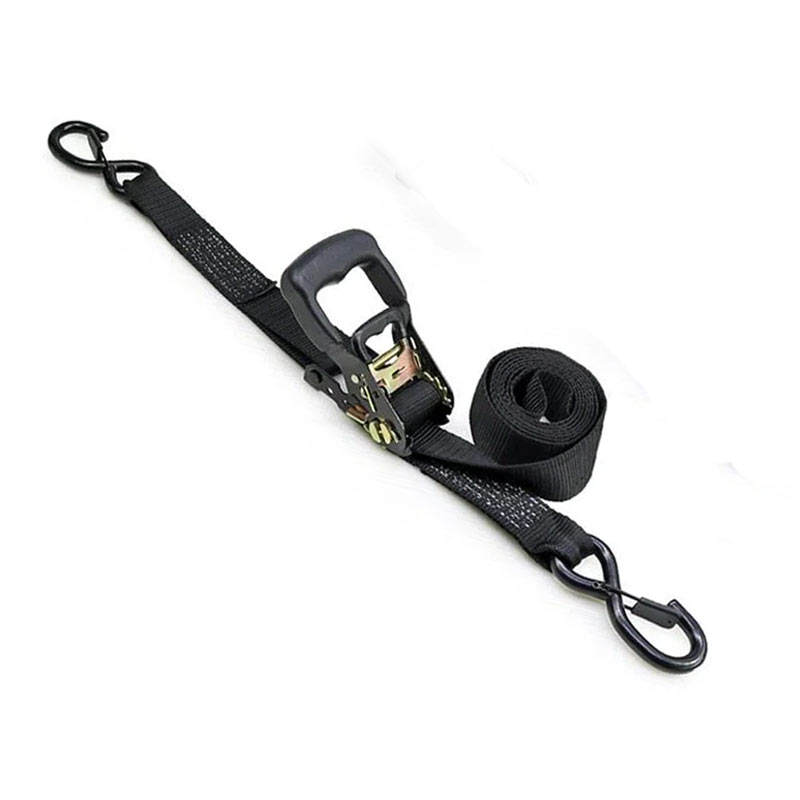
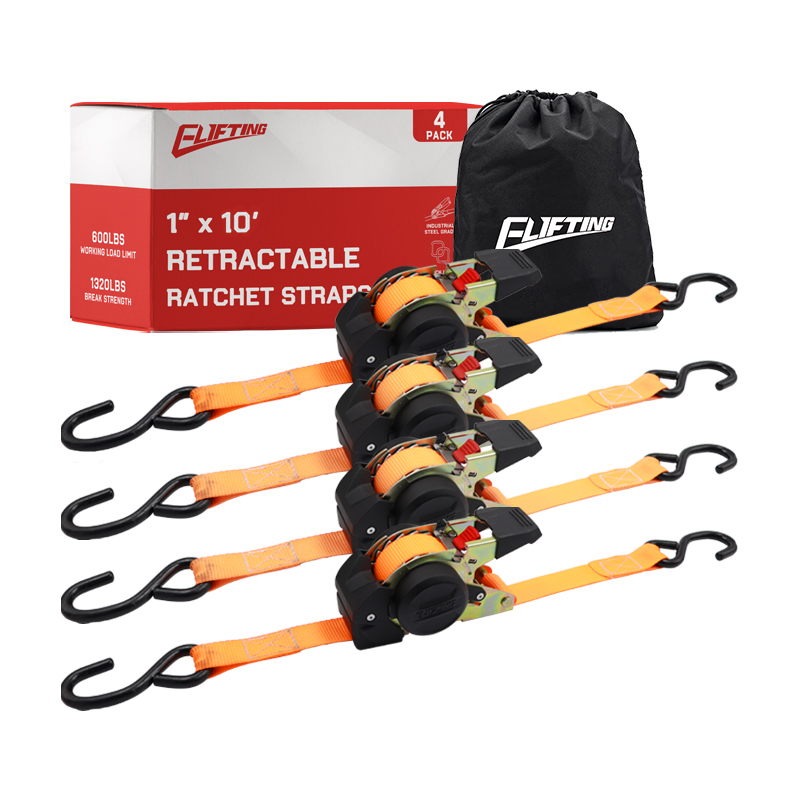
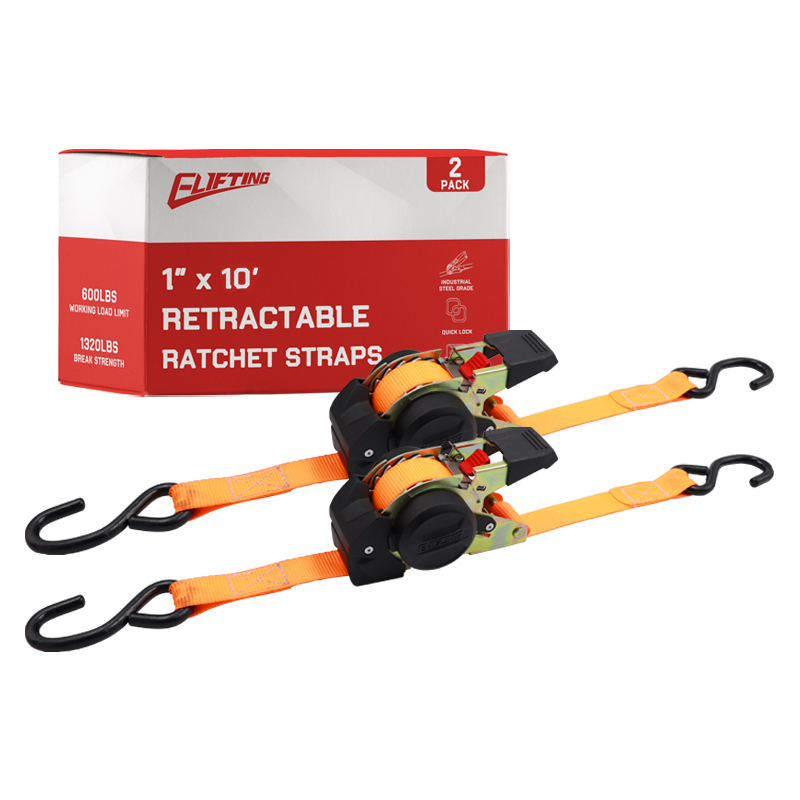
Curele cu clichet should be tightened until the cargo is firmly immobilised with no perceptible movement, but not so tight that the webbing digs into soft goods, distorts the load, or exceeds the working load limit (WLL) marked on the strap. In practical terms, a correctly tensioned strap will feel taut and resist being pulled away from the load by hand, while the webbing itself shows no twisting, bunching, or cutting into surfaces. Pentru most freight and trailer applications, a tension of approximately 30–50% of the strap's WLL is sufficient to hold cargo securely under typical road vibration and braking forces.
Getting strap tension right is not just a matter of feel — it has direct implications for cargo safety, legal compliance, iar cel long-term condition of both the load and the strapping equipment. Indiferent dacă utilizați sarcina grea curele de prindere cu clichet for flatbed freight or lighter tie-downs for a utility trailer, the principles are the same: match the strap to the load, apply even tension, and inspect before every trip.
Understanding Working Load Limit and Breaking Strength
Fiecare commercial grade ratchet strap carries two critical ratings printed on its label or woven into the webbing: the Limită de sarcină de lucru (WLL) and the Forța de rupere . These numbers are not interchangeable, and confusing them is one of the most common and dangerous mistakes in cargo securing.
Forța de rupere (BS): The tensile force at which the strap, webbing, or hardware will mechanically fail under laboratory conditions. This is a destructive test value — you must never approach it in normal use.
Limită de sarcină de lucru (WLL): The maximum load the strap is rated to restrain in service. Under EN 12195-2 (the European standard for lashing straps) and equivalent regulations, WLL is typically set at 1/3 din rezistența la rupere , providing a built-in safety factor of 3:1.
Pre-Tension: The initial tension applied before the vehicle moves, which must be at least 50% of the lashing capacity for direct lashings under EN 12195-2.
In practice, for a strap with a break strength of 10,000 lbs, the WLL is approximately 3,333 lbs. Operating at or near the WLL on every trip accelerates wear and fatigue in both the webbing fibres and the ratchet mechanism. For routine cargo work, applying 30–50% din WLL as working tension extends strap service life considerably while still providing adequate restraint under normal road conditions.
WLL vs Break Strength by Strap Width (lbs)
The chart illustrates the 3:1 safety factor built into the WLL across all standard strap widths — the break strength is always three times the working load limit. A 2" industrial ratchet tie down strap with a 15,000 lb break strength carries a WLL of approximately 5,000 lbs, meaning you should size your strap selection for the total cargo weight plus dynamic forces, not just static weight. Selecting the correct strap width is the first step toward safe and legal cargo restraint; using a 1" strap on a load that requires a 2" strap is a common field error with serious consequences.
Step-by-Step: How to Tension a Ratchet Strap Correctly
Applying correct tension is a repeatable skill. Following a consistent procedure every time reduces variability between operators and ensures the load arrives safely regardless of who secured it. This procedure applies to professional ratchet tie down systems used on flatbeds, utility trailers, and enclosed trailers alike.
Route the strap correctly: Feed the webbing over or around the cargo, ensuring it contacts load-bearing surfaces rather than sharp edges or projections. Use edge protectors or corner guards when the strap crosses any corner that could cut or abrade the webbing.
Attach the hooks: Engage both end hooks to anchor points rated for the strap's WLL. Pull the hook until it seats fully — a partially engaged hook is a primary failure point. On flatbed trailers, use D-ring tie-down points or side rail slots rated for the load.
Feed the webbing into the ratchet mandrel: Thread the flat webbing through the mandrel slot from the bottom. Pull through enough slack to take up most of the loose webbing before ratcheting — this reduces the number of ratchet strokes needed and keeps the strap bundle tidy.
Begin ratcheting: Work the handle in full strokes. Each complete stroke advances the mandrel and draws in webbing. After 3–4 strokes, check that the strap is tracking straight and not twisting.
Assess tension: Stop when the strap resists hand deflection with firm, even tension and the cargo shows no movement when you push it. The webbing should be flat, not crimped or folded. If the strap feels very hard to pump and is making cracking sounds under load, you have over-tensioned — release slightly.
Close and lock the ratchet: Push the ratchet handle down until the pawl engages and the mechanism locks closed. A closed ratchet prevents the handle from being knocked open during transit.
Secure loose webbing: Bundle any excess webbing and secure it with a velcro wrap or tuck it under the strap run to prevent it from flapping and fraying at highway speeds.
Re-check tension after the first 15–20 minutes of travel. Cargo often settles slightly as it responds to road vibration, and this initial settling can cause apparent slack in the straps. Stopping to re-tension after the first short leg is standard practice among professional transport operators.
Consequences of prea strânsening and Sub-strânsening
Both extremes of tension create problems, though they manifest differently and affect different aspects of the transport operation. Understanding both failure modes helps you calibrate your practice and recognise warning signs before a load shifts or a strap fails.
Effects of Over-Tightening
Applying excessive tension beyond what the cargo and strap rating require causes several distinct problems. Soft goods such as cardboard boxes, wrapped pallets, and plastic containers can be crushed, distorted, or have their surfaces permanently marked by webbing indentation. Machinery and fabricated steel components can be distorted if straps are routed over unsupported spans of thin sheet metal at very high tension.
From a strap perspective, over-tightening accelerates fatigue in the webbing fibres, particularly at points where the webbing bends over hooks or anchor points. Repeated over-tensioning causes micro-fractures in the polyester fibres that are invisible to the naked eye but measurably reduce break strength over time. A strap that has been regularly over-tensioned may retain its appearance while having lost 20–30% of its original break strength.
Effects of Under-Tightening
An insufficiently tensioned strap allows cargo to shift during transit. Even minor movement — a few inches of lateral displacement — can change the load's centre of gravity enough to affect vehicle handling, particularly on trailers. In more severe cases, load shift leads to trailer sway, partial unloading of the load onto the road, or complete loss of cargo. Legal liability for cargo that falls from a vehicle is significant in most jurisdictions, with fines and civil liability extending to both the driver and the cargo owner.
Under-tightening also allows the webbing to vibrate and flutter at highway speeds, causing abrasion against the cargo surface and the trailer structure that rapidly degrades both the strap and the load's packaging or finish.
Tension Level Impact Comparison (Score /10)
Correct tension dominates all six performance dimensions, confirming that neither extreme serves the operator's interests. Over-tightening scores poorly on strap longevity and load integrity — key concerns when transporting finished goods or using cele mai bune curele cu clichet pentru transportul echipamentelor pe utilaje sensibile. Under-tightening scores near-zero on cargo safety and compliance, the two dimensions that carry the most serious legal and operational consequences. The radar chart reinforces the practical rule: tighten until the cargo cannot move, then stop.
Strap Selection by Aplicație: Matching the Strap to the Job
Nu toate sarcina grea ratchet tie down straps are appropriate for every task. Selecting the correct strap involves matching the strap's WLL and webbing width to the cargo weight and transport method. The table below provides a practical reference for common applications.
Table 1: Recommended Strap Specifications by Application Type
For best ratchet tie down straps for flatbed trailers , the general industry rule is that the combined WLL of all straps securing a load must equal at least half the total weight of the cargo. So a 20,000 lb flatbed load requires straps with a combined WLL of at least 10,000 lbs — achievable with four 2,500 lb WLL straps positioned symmetrically along the load.
How Dynamic Road Forces Affect Required Strap Tension
A common misconception is that strap tension only needs to counteract the static weight of the cargo. In reality, cargo experiences dynamic forces during transport that can briefly multiply its effective weight by a factor of 0.5–1.0g or more depending on the road surface and driving conditions. These dynamic loads are the true design case for flatbed ratchet tie down straps and all other cargo restraint systems.
The FMCSA (Federal Motor Carrier Safety Administration) cargo securement rules in the United States require that tie-down systems must resist forces of 0.8g forward, 0.5g rearward, and 0.5g laterally . This means a 1,000 lb cargo item must be restrained against up to 800 lbs of forward force during hard braking — a force that a single 1" strap with 1,000 lb WLL addresses with very little margin.
Effective Cargo Force (lbs) at Different Braking Intensities — 1,000 lb Load
At the FMCSA-mandated 0.8g forward deceleration standard, a 1,000 lb cargo item generates 800 lbs of effective forward force — meaning straps must collectively resist near the full static weight of the load just from braking alone, before adding lateral and rearward forces. This demonstrates why sizing straps based on cargo weight with no dynamic margin is inadequate, and why the best ratchet tie down straps for trailers are always rated comfortably above the calculated static requirement. At 1.0g (emergency braking or collision), the force equals the full static weight — a scenario that underscores the importance of using enough straps with sufficient combined WLL.
Ratchet Strap Maintenance: Extending Service Life and Reliability
Following a structured ratchet strap maintenance guide is as important as correct tensioning. A strap that appears intact may have hidden degradation that causes it to fail at a fraction of its rated load. Industry data suggests that up to 40% of cargo securing failures involve straps that showed no obvious external damage before use — highlighting the importance of systematic inspection rather than visual spot-checking.
Inspection Checklist Before Every Use
Webbing cuts and abrasions: Any cut or abrasion deeper than 10% of the webbing thickness is cause for immediate retirement. Run your fingers along the full length of the webbing to feel for snags or fraying not visible in poor light.
Degradarea UV: Polyester webbing exposed to sustained UV degrades over time. Fading, brittleness, and a chalky surface texture indicate UV damage. Straps stored outdoors or on open trailers without covers degrade faster than stored straps.
Contaminare chimică: Acids, solvents, and caustic substances attack polyester fibres invisibly. If a strap has been in contact with unknown chemicals, retire it regardless of appearance.
Deformarea cârligului: Hooks should be fully closed with no visible spreading, bending, or cracking. Un cârlig care a fost încărcat la șocuri poate părea intact, dar are micro-crăpături la gât - o inspecție cu lupa este utilă pentru curelele utilizate frecvent.
Mecanism cu clichet: The pawl should click positively into each tooth with no slipping or hesitation. Pârghia de eliberare ar trebui să funcționeze fără probleme. A ratchet that slips under load is a critical failure hazard.
Cele mai bune practici de depozitare și îngrijire
Store straps coiled loosely in a dry, shaded location — not loose in a trailer bed where they are exposed to grit, standing water, and UV.
Rinse straps with fresh water after use in coastal environments where salt spray accelerates corrosion of the ratchet hardware.
Aplicați un spray ușor de silicon pe mecanismele de clichet la fiecare 3-6 luni pentru a menține funcționarea lină, în special în zonele cu climă rece, unde pătrunderea umezelii provoacă gripare.
Păstrați un jurnal de utilizare pentru curele de prindere cu clichet industrial in heavy-duty or commercial service — noting date of purchase, number of hauls, and any incidents of over-loading or shock loading.
Primary Causes of Ratchet Strap Failure in Field Use (%)
Uzura și tăieturile chingilor reprezintă aproape o treime din toate defecțiunile curelei, ceea ce face ca protecția marginilor și rutarea corectă să fie obiceiurile de întreținere cu cea mai mare prioritate pentru operatorii care folosesc cele mai bune curele cu clichet pentru transportul echipamentelor sau orice marfă de mare valoare. Deformarea cârligului este al doilea cel mai frecvent mod de defecțiune și este aproape întotdeauna rezultatul încărcării cu șoc - fie dintr-o deplasare bruscă a sarcinii fixată incorect, fie din utilizarea unui cârlig ca punct de ridicare. Alunecarea clichetului, deși reprezintă doar 15% din defecțiuni, este deosebit de periculoasă, deoarece are loc de obicei sub sarcină, eliberând tensiunea brusc, mai degrabă decât să dea un avertisment prealabil.
Choosing Quality Ratchet Tie Down Straps: What to Look For
With a wide range of products available for cargo control, distinguishing between commodity-grade straps and curele cu clichet de calitate comercială built for sustained professional use comes down to a few key specification and quality indicators.
Etichetare de conformitate: Căutați marcajele GS (Geprüfte Sicherheit), CE sau EN 12195-2 pe eticheta curelei. These indicate independent third-party testing of the product's rated capacities — not just the manufacturer's internal claims.
Denier și construcție chingi: Pânză din poliester de înaltă tenacitate, cu un model de țesătură strâns și uniform, rezistă la abraziune mai bine decât alternativele țesute lejer. Curelele de calitate specifică denierul chingii de pe ambalaj.
Calitatea mecanismului cu clichet: Construcția din oțel cu finisaj zincat sau acoperit cu pulbere rezistă la coroziune. Angajamentul cu clichetul ar trebui să fie pozitiv și clar, nu spongios sau ezitant. Căutați un mâner lat și plat, care să fie confortabil de utilizat cu mănuși.
Cusătură de montare la capăt: Cusătura care atașează chinga de cârlige și de dornul de clichet este o cale critică de încărcare. Curelele de calitate folosesc modele de cusături bar-tack sau box-X în fir de înaltă tenacitate, cu o lungime și un număr minim de cusături specificate pe etichetă.
Suport producător: Un producător profesionist de echipamente de ancorare, cum ar fi Ningbo Easy Lifting Auto Accessories Co., Ltd. oferă documentație de conformitate, opțiuni de personalizare a produsului și calitate constantă în loturile de producție - factori importanți pentru operatorii de flote și distribuitorii care au nevoie de aprovizionare fiabilă.
Ningbo Easy Lifting este specializată în catarame centrale din oțel inoxidabil, seriile de fixare cu clichet, catarame cu came, cârlige și curele din chingă, cu o gamă de produse care respectă standardele GS și EC. În calitate de producător OEM profesionist, aceștia se potrivesc, de asemenea, cu specificațiile personalizate pentru operatorii cu cerințe specifice privind WLL, tip de cârlig sau lungime a curelei.
Întrebări frecvente
Î1: Cât de strânse ar trebui să fie curelele cu clichet?
Curele cu clichet should be tight enough that the cargo cannot shift when pushed firmly by hand, with the webbing lying flat and taut. As a guideline, apply 30–50% of the strap's WLL for general cargo. Stop tightening if the webbing starts to crease or the ratchet becomes very hard to operate.
Î2: De câte curele cu clichet am nevoie pentru o încărcătură?
WLL combinat al tuturor curelelor trebuie să fie egal cu cel puțin 50% din greutatea totală a încărcăturii conform regulilor FMCSA. Pentru o sarcină de 2.000 lb, aveți nevoie de curele cu un WLL combinat de cel puțin 1000 lbs - dar utilizarea mai multor curele la o tensiune individuală mai mică distribuie sarcina mai uniform și este mai sigură în practică.
Î3: Puteți strânge prea mult o curea cu clichet?
Da. Strângerea excesivă zdrobește încărcătura moale, deformează tabla de pe vehicule și mașini și accelerează oboseala curelei. O curea tensionată în mod regulat în apropierea rezistenței sale de rupere poate pierde 20-30% din capacitatea sa nominală fără deteriorare vizibilă. Strângeți până când încărcătura este imobilizată, apoi opriți.
Î4: Cât de des ar trebui înlocuite curelele cu clichet?
Înlocuiți curelele atunci când prezintă deteriorarea vizibilă a curelei (tăieri, abraziuni mai mari de 10% din grosime), albire UV cu fragilitate, deformare a cârligului sau orice alunecare a clichetului sub sarcină. For commercial operators, a maximum service life of 2–3 years is a common policy regardless of visible condition.
Q5: What is the best ratchet strap for a flatbed trailer?
For flatbed applications, 2"–3" wide straps with a WLL of 3,000–5,400 lbs and flat hook or wire hook ends are most versatile. Căutați certificare GS sau EN 12195-2, feronerie cu clichet din zinc de grosimea mare și chingă din poliester de înaltă tenacitate, cu o lățime de cel puțin 27 mm pentru rezistență și durabilitate pe distanțe lungi.
Q6: Do ratchet straps loosen during transit?
Yes, cargo typically settles in the first 15–20 minutes of travel due to road vibration, causing apparent slack in the straps. Always stop after the first short leg to re-check and re-tension. Pe curse lungi, reinspectați la fiecare oprire de odihnă sau la fiecare 150–200 de mile ca practică standard.
Q7: How do I release a ratchet strap that is very tight?
Lift the release lever fully until the ratchet is flat open and the pawl clears all teeth. If the strap is under very high tension, the lever may require firm pressure — use steady force, not jerking. Once open, pull the webbing free from the mandrel. Nu tăiați niciodată o curea sub tensiune maximă.
Q8: Are ratchet straps suitable for all cargo types?
Curele cu clichet suit most rigid and semi-rigid cargo. For very soft or delicate surfaces, use rubber-backed straps or foam padding to prevent marking. For liquids or loose bulk materials in open containers, ratchet straps alone are insufficient — combine with nets, boards, and appropriate containment.
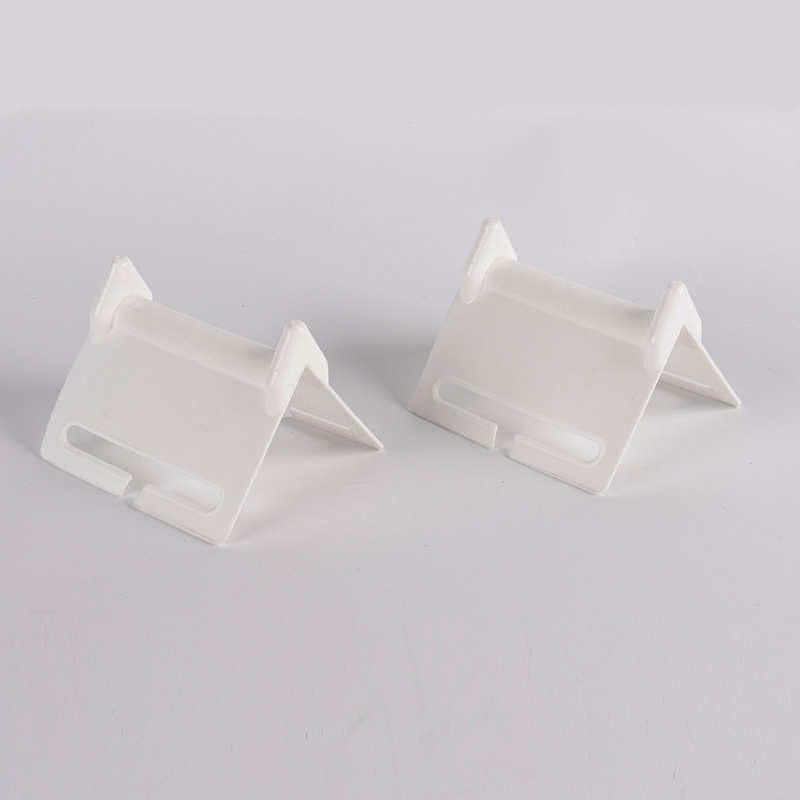
Fabricate din plastic de înaltă calitate, dispozitivele noastre de protecție pentru colțuri protejează împotriva daunelor cauzate de curele și curele și sunt rezistente la...
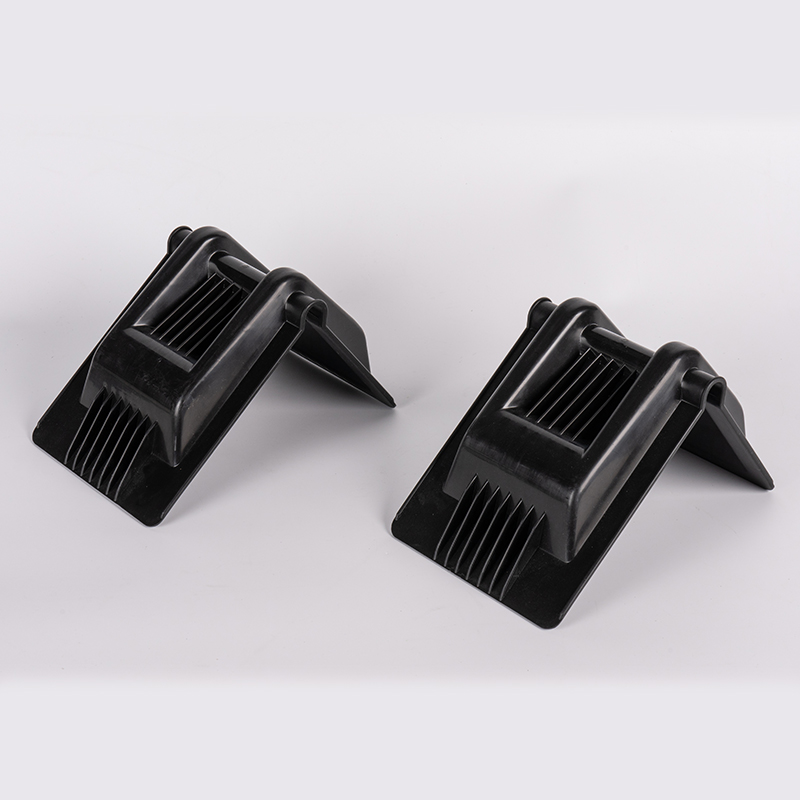
Protejați-vă mărfurile de deteriorare în timpul transportului! Apărătoarele noastre de colț din plastic Guard Cargo de 6 inchi sunt alegerea dvs. pentru a vă rezolva probl...
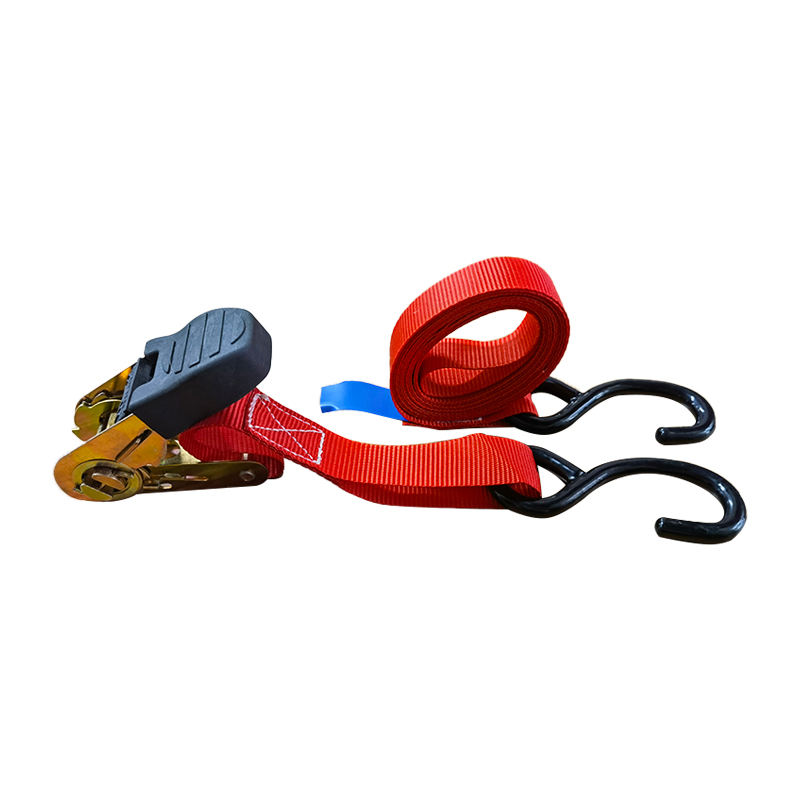
Fabricată din chingă de poliester de înaltă calitate și catarame robuste din oțel sau plastic, cureaua noastră cu clișet de 1" x 20 pi poate rezista chiar și la sarcinile ...
REZULTATE: lățime de chingă de 1,5 inchi și lungime de 15 picioare cu rezistență la rupere de 4400 lb și limită de sarcină de lucru de 2200 lb DURABILĂ: clichet din oțe...
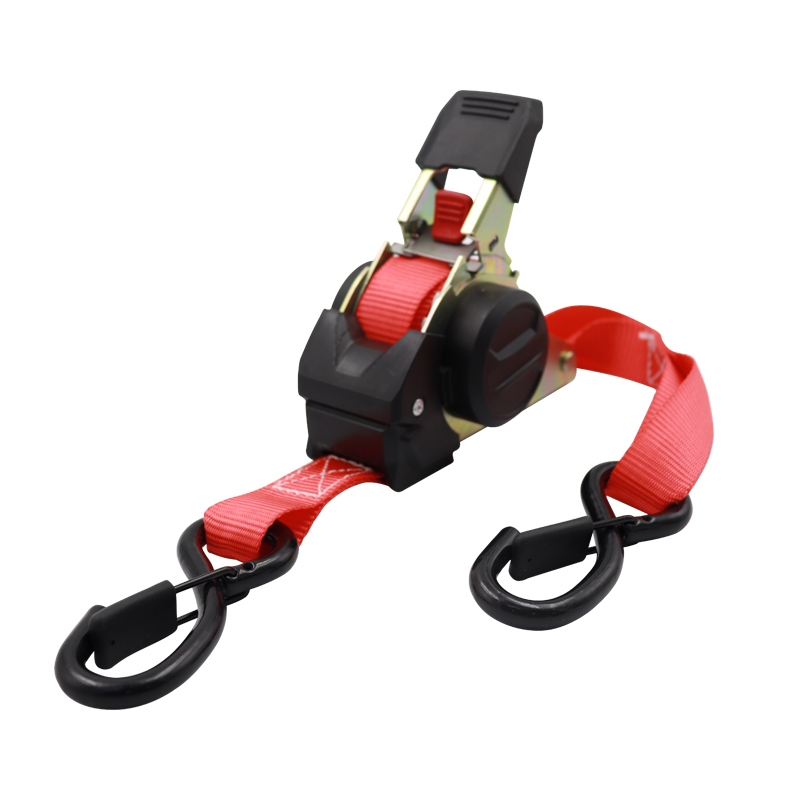
Designul compact și ușor al curelei noastre cu clichet de 2" x 15" o face ușor de depozitat și transportat. Indiferent dacă o păstrați în cutia de instrumente, torpedo sau...
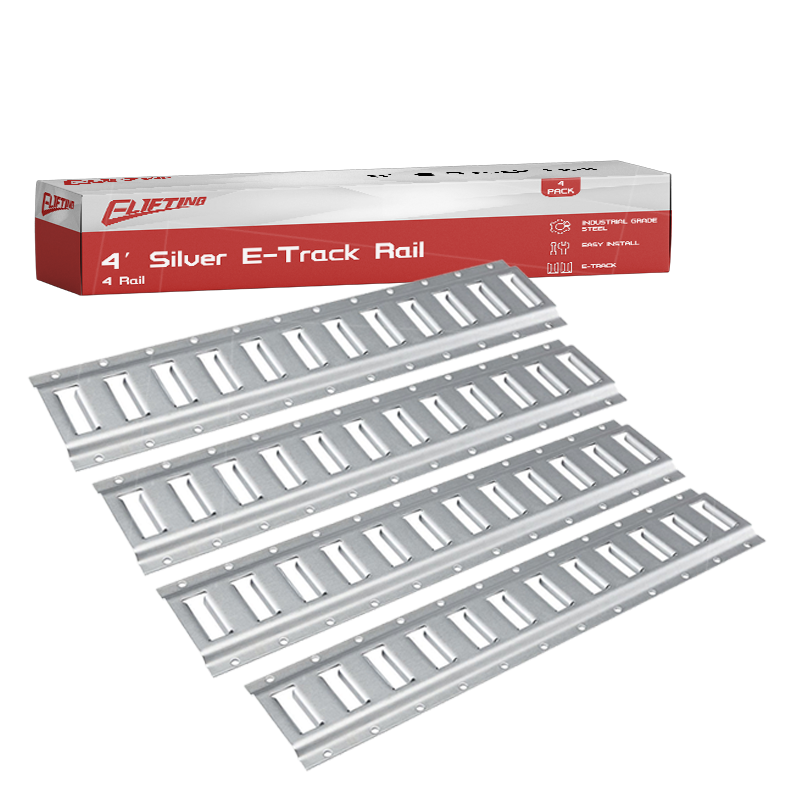
E-Track Rails este un sistem de șine pentru asigurarea mărfurilor. Este format dintr-o serie de șine din aliaj de aluminiu sau oțel cu fante și cu diferite accesorii (cum ...